Can Your Garden Affect Your Furnace? What Fallbrook Homeowners Should Know
Your garden may seem completely separate from your heating system, but landscaping choices can sometimes affect how well your HVAC equipment operates. Plants, leaves, irrigation, soil, and yard debris can all create problems around outdoor equipment or ventilation areas. If your heating system starts struggling after changes to your landscaping, a furnace repair service in Fallbrook may need to check whether the issue is connected to airflow, moisture, blocked vents, or outdoor HVAC components.
For homeowners who spend time improving their yard, a little planning can help protect both the garden and the heating system.
1. Plants Can Block Important Airflow
One of the biggest landscaping mistakes is allowing plants to grow too close to HVAC equipment.
Shrubs, vines, tall grass, and dense foliage can restrict airflow around outdoor units. Even though the furnace itself may be indoors, many homes use combined HVAC systems with outdoor components that need clear space to operate efficiently.
When airflow becomes restricted, the system may work harder than necessary.
Over time, this can contribute to higher energy use, poor performance, or added wear on components.
Keep vegetation trimmed back and avoid planting directly against HVAC equipment.
2. Leaves and Yard Debris Can Build Up
Fallbrook homeowners may deal with leaves, dry grass, twigs, and other garden debris throughout the year.
These materials can collect around outdoor HVAC components, vents, or access points.
A small amount of debris may not cause an immediate problem, but heavy buildup can reduce ventilation and make maintenance more difficult.
After trimming trees or cleaning garden beds, check the area around your HVAC equipment.
Removing debris regularly is a simple way to reduce unnecessary strain on the system.
3. Irrigation Can Create Moisture Problems
Water is good for your garden, but not necessarily for your HVAC equipment.
Sprinklers that repeatedly spray onto outdoor units can expose electrical and metal components to unnecessary moisture.
Constant wetting may contribute to corrosion over time.
It can also encourage dirt and debris to stick to equipment surfaces.
If possible, adjust sprinkler heads so they water plants rather than mechanical equipment.
Drip irrigation can also help direct water more precisely where it is needed.
4. Soil and Mulch Can Shift Around Equipment
Garden projects often involve adding soil, compost, gravel, or mulch.
If these materials build up around HVAC equipment or ventilation openings, they can interfere with drainage or airflow.
Mulch can also hold moisture for long periods.
That is useful around plants, but less desirable when it is piled against mechanical equipment or the exterior of the home.
Leave a clean buffer around HVAC components when working on nearby landscaping.
5. Vines Can Grow Into Places They Should Not
Vines can transform a fence or wall, but they can also spread into vents, equipment, and utility areas.
Fast-growing plants may wrap around lines or cover access panels before you notice.
This can make routine maintenance harder and potentially interfere with airflow.
If you like climbing plants, use trellises or supports that direct growth away from HVAC equipment.
Regular trimming is especially important during the growing season.
6. Garden Work Can Disturb HVAC Lines
Digging is another potential problem.
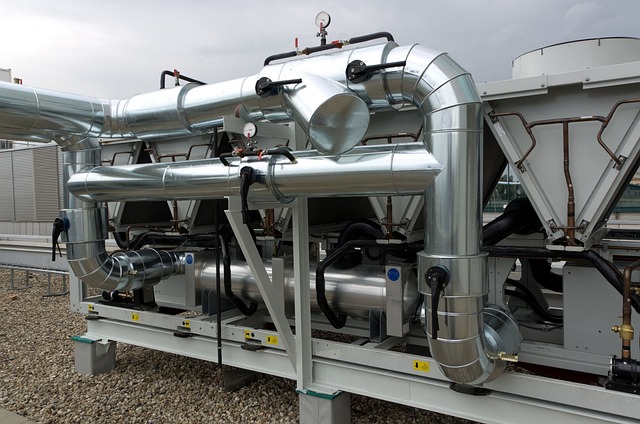
Outdoor HVAC systems may have refrigerant lines, electrical connections, drainage lines, or other components running between the indoor and outdoor equipment.
Deep digging near the home can accidentally damage these systems.
Before installing large plants, fence posts, raised beds, or other landscaping features, check where utility and HVAC lines are located.
A small gardening project can become an expensive repair if a line is damaged underground.
7. Rodents and Garden Pests Can Reach HVAC Equipment
A healthy garden attracts more than flowers and birds.
Rodents and other small animals may also find shelter near dense vegetation.
If plants grow heavily around HVAC equipment, they can create hiding places close to wiring, insulation, and other components.
Rodents sometimes chew electrical wires or nesting materials inside equipment.
Keeping the immediate area around HVAC systems clear can make it less inviting for pests.
8. Outdoor Vents Need Room to Breathe
Some heating systems vent combustion gases through exterior walls or roofs.
These openings should remain unobstructed.
Plants, leaves, outdoor furniture, garden decorations, or other items placed too close to a vent can interfere with proper operation.
Never intentionally cover or block a furnace vent because it looks unattractive.
If you want to hide utility areas with landscaping, leave enough clearance for safe ventilation and service access.
Watch for Heating Problems After Landscaping Changes
If your furnace starts behaving differently after major yard work, the timing may not be a coincidence.
Watch for symptoms such as reduced heating performance, unusual noises, frequent cycling, or unexpected shutdowns.
Some problems may be caused by the furnace itself, while others may be related to restricted airflow or outdoor system components.
The important thing is to avoid assuming that the garden could never be involved.
Keep Landscaping and HVAC Maintenance Connected
Gardening and HVAC maintenance do not need to compete with each other.
You can still create attractive landscaping while giving heating and cooling equipment the space it needs.
Keep plants trimmed, redirect sprinklers, remove leaves and debris, avoid piling mulch against equipment, and stay aware of buried or exterior HVAC lines.
These small steps can help reduce preventable problems and make future maintenance easier.
For Fallbrook homeowners, the garden can be an asset to the property without becoming a source of heating trouble. A little clearance and regular inspection can go a long way toward keeping both your plants and your furnace in good condition.
