Garden to Fridge: How Charlotte Homeowners Can Prevent Refrigerator Problems When Storing Fresh Produce
Storing fresh garden produce properly helps Charlotte homeowners maintain refrigerator cooling efficiency, prevent moisture buildup, and reduce food waste. Overcrowded shelves, blocked air vents, and poorly stored vegetables can affect refrigerator performance, although fresh produce itself does not normally damage the appliance.
Homeowners who regularly harvest fruits, vegetables, and herbs should understand how storage conditions influence refrigeration. When cooling problems persist despite proper maintenance, a refrigerator repair service in Charlotte NC can help identify mechanical or electrical issues before they become more serious.
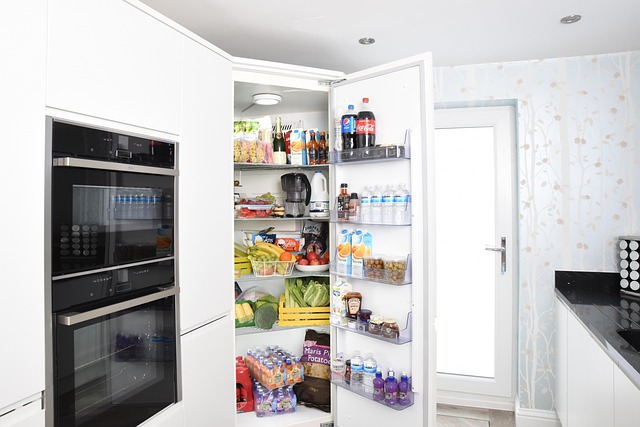
Can Fresh Garden Produce Affect Refrigerator Performance?
Yes, storing large quantities of garden produce can affect refrigerator performance when airflow becomes restricted or excessive moisture accumulates.
Refrigerators maintain consistent temperatures by circulating cold air throughout their compartments. When vegetables, storage containers, or produce bags block ventilation openings, some areas may become warmer than others.
Common storage-related problems include:
- Blocked airflow: Overfilled shelves prevent proper cold air circulation.
- Excess moisture: Wet vegetables and condensation can contribute to unpleasant odors and spoilage.
- Temperature fluctuations: Frequent door openings introduce warmer air.
- Uneven cooling: Improper food placement can create warm or excessively cold areas.
These conditions do not necessarily indicate a defective refrigerator. Correcting storage practices may restore normal performance.
What Is the Best Refrigerator Temperature for Fresh Vegetables?
The recommended refrigerator temperature is 40°F (4°C) or below, according to the U.S. Food and Drug Administration.
This temperature helps slow bacterial growth and supports safe food storage.
Charlotte homeowners should use an appliance thermometer to verify refrigerator temperatures rather than relying entirely on built-in temperature settings.
For optimal storage:
- Maintain refrigerator temperatures at or below 40°F.
- Keep the freezer at approximately 0°F.
- Avoid placing vegetables directly against cooling vents.
- Close refrigerator doors promptly.
- Monitor temperatures after adding large quantities of harvested produce.
A refrigerator struggling to maintain safe temperatures may require additional troubleshooting or professional inspection.
How Should Charlotte Gardeners Store Fresh Vegetables?
Fresh vegetables should be stored according to their moisture requirements, temperature sensitivity, and expected shelf life.
Charlotte gardeners frequently grow vegetables such as lettuce, tomatoes, cucumbers, peppers, and squash. However, these vegetables do not all require identical storage conditions.
Proper organization helps preserve freshness while maintaining sufficient refrigerator airflow.
Use High-Humidity Crisper Drawers
High-humidity drawers are suitable for leafy vegetables that lose moisture quickly.
Examples include:
- Lettuce
- Spinach
- Kale
- Broccoli
- Fresh herbs
These compartments help reduce moisture loss and prevent premature wilting.
Use Low-Humidity Drawers for Appropriate Fruits
Low-humidity drawers allow greater ventilation, making them useful for many fruits that release ethylene gas.
Apples and pears, for example, produce ethylene during ripening. Keeping them separate from ethylene-sensitive vegetables can help prevent premature deterioration.
Proper crisper drawer organization improves produce storage without requiring additional refrigerator cooling capacity.
Should All Garden Vegetables Be Refrigerated?
No. Some garden vegetables maintain better quality when stored outside the refrigerator.
According to North Carolina Cooperative Extension, several harvested crops benefit from cool, appropriately ventilated storage rather than conventional refrigerator conditions.
Examples include:
- Potatoes: Store in a cool, dark location away from direct sunlight.
- Dry onions: Keep in a dry, well-ventilated area.
- Garlic: Store in a cool location with suitable airflow.
- Whole tomatoes: Generally maintain better flavor when stored at room temperature.
Once produce is cut, different food safety requirements apply, and refrigeration is generally necessary.
Understanding these differences helps Charlotte homeowners avoid unnecessary refrigerator overcrowding.
Can Garden Dirt and Moisture Cause Refrigerator Problems?
Garden dirt and excess moisture can contribute to refrigerator cleanliness problems, but they rarely cause mechanical failures directly.
Freshly harvested vegetables may carry soil, plant debris, and moisture.
When dirty or damaged produce remains inside the refrigerator, it can create unsanitary conditions and unpleasant odors.
To reduce these problems:
- Remove loose soil and garden debris before storage.
- Use clean, food-safe containers or appropriate produce bags.
- Keep refrigerated produce from becoming excessively wet.
- Discard visibly spoiled vegetables promptly.
- Clean refrigerator drawers and shelves regularly.
Wash fresh produce thoroughly under running water before preparing or eating it. If washing before storage, dry it appropriately to avoid unnecessary surface moisture.
How Can Charlotte Homeowners Prevent Refrigerator Cooling Problems?
Refrigerator cooling problems can often be prevented through proper food organization, routine cleaning, and temperature monitoring.
During peak gardening seasons, homeowners may store larger quantities of vegetables than usual.
However, a full refrigerator should never prevent air from circulating freely.
Practical maintenance measures include:
- Keeping interior air vents unobstructed
- Checking refrigerator door seals for damage
- Cleaning spills and removing spoiled produce
- Avoiding unnecessary door openings
- Following manufacturer instructions for appliance maintenance
These steps help maintain consistent refrigerator temperatures and reduce avoidable cooling issues.
When Does a Refrigerator Need Professional Repair?
A refrigerator may need professional repair when it cannot maintain safe temperatures despite correct settings, adequate airflow, and basic maintenance.
Warning signs include:
- Refrigerator temperature remaining above 40°F
- Food spoiling unusually quickly
- Persistent water leakage
- Excessive frost accumulation
- Unusual buzzing, grinding, or clicking noises
- Continuous or irregular compressor operation
Possible causes include defective evaporator fans, faulty thermostats, damaged door gaskets, control system failures, or refrigeration system problems.
A qualified refrigerator repair technician can inspect the appliance and determine whether component replacement or another repair is necessary.
Final Thoughts
Successful gardening does not end with harvesting. Proper refrigerator storage helps Charlotte homeowners preserve fresh produce while maintaining reliable appliance performance.
Keeping vegetables organized, controlling moisture, maintaining safe temperatures, and allowing sufficient airflow can prevent many common storage-related cooling problems.
When refrigerator issues continue despite proper care, professional diagnosis can help identify the underlying cause and protect both the appliance and stored food.
